How Much Do Corporate Wellness Programs Cost Per Employee?
Corporate wellness programs cost roughly $150 to $1,200 per employee per year, going by the ranges vendors publish. An app-only program sits at the bottom of that range. Onsite biometric screenings, health coaching and cash incentives push it to the top. Nobody publishes a neutral average: KFF, RAND and SHRM track how many employers offer wellness programs, but not what they spend per head, so every range you see comes from a vendor.
The license fee is only part of the bill. Incentives, payroll tax on those incentives and the hours your own staff spend running the thing can add as much again. The sections below break the cost into those pieces so you can compare quotes on the same basis.
What employers pay, by type of program
Vendors price wellness in three main ways: per employee per month (PEPM), per employee per year (PEPY) and per participant. The table groups the ranges two vendors publish. Treat them as list prices, not market data.
| Program type | What's usually included | Vendor-published range |
|---|---|---|
| Digital or app-only | Activity and nutrition tools, challenges, content | About $3 to $5 PEPM ($36 to $60 a year) |
| Basic program | App plus a health risk assessment and some events | About $150 to $300 PEPY |
| Mid-range | Adds biometric screening, coaching or an EAP | About $300 to $750 PEPY |
| Comprehensive | Onsite services, clinical programs, large incentives | $750 to $1,200+ PEPY |
Ranges from Vantage Fit and HubEngage pricing guides, both updated in 2026. HubEngage also lists biometric screening at about $45 to $75 per person and EAP add-ons at $1 to $14 PEPM.
For a sense of scale, here is what the low and high ends of that range mean at three company sizes, next to a program priced per day.
| Employees | $150 PEPY | $1,200 PEPY | Affili-Fit starting rate ($0.10 per employee per day) |
|---|---|---|---|
| 50 | $7,500 | $60,000 | $1,825 |
| 250 | $37,500 | $300,000 | $9,125 |
| 1,000 | $150,000 | $1,200,000 | $36,500 |
The Affili-Fit column is the published starting rate times 365 days. A real quote depends on headcount and how much of the program is tailored, and you can see how that pricing works on the corporate wellness program page.
What drives the price up
Five things account for most of the gap between a $150 and a $1,200 program.
Clinical services cost the most. Biometric screening means a nurse, a lab or a mailed kit for every participant. Coaching means paid staff time per conversation. KFF's 2025 survey found 43% of large firms (200+ workers) and 22% of small firms that offer health benefits also offer biometric screening, so many employers pay for it.
Onsite delivery is next. Anything that needs a person in your building (flu shots, fitness classes, screening days) is priced per event plus travel.
Customization adds setup fees. Branded content, custom challenges and integrations with your HR system are often billed separately.
Pricing basis matters more than the headline rate. A per-eligible-employee price charges you for everyone on payroll, including people who never log in. A per-participant price charges only for people who enroll. Neither is better in the abstract; the one that costs less depends on how many people you expect to use it.
The fifth driver is incentives, covered next.
The incentive budget, and the federal cap on it
Most programs pay people to take part. KFF's 2025 survey found 46% of large firms with a wellness program offer an incentive to join or complete it, rising to 61% at firms with 5,000 or more workers. Among small firms the figure is 23%.
If your program is tied to a group health plan, federal rules set a ceiling. Under the 2013 HIPAA/ACA wellness regulations:
- Participatory programs (rewards for taking part, such as attending a class or completing a health risk assessment) have no federal limit on the reward.
- Health-contingent programs (rewards for hitting a goal, such as a cholesterol number or a step count) can pay up to 30% of the total cost of coverage, or 50% when the program targets tobacco use. They must also offer a reasonable alternative to anyone who can't meet the standard for medical reasons.
Applied to KFF's 2025 average single premium of $9,325, the 30% cap works out to about $2,800 per employee per year for self-only coverage. That is a ceiling, not a target. Most employers spend far less, and the rules are detailed enough that you should run any health-contingent design past your benefits counsel.
The EEOC's separate ADA and GINA incentive limits were removed from the rules effective January 1, 2019, after a court vacated them. A 2021 proposal to replace them was withdrawn the same month, so there is currently no EEOC rule setting a dollar limit. That leaves real legal uncertainty for programs that ask medical questions, which is another reason to get counsel involved before you design rewards around health data.
Some programs avoid the incentive budget entirely. On Affili-Fit, employees earn points for daily goals and redeem them with local partner businesses, so rewards don't come out of a gift-card budget. If you do fund incentives yourself, the guide to employee wellness incentives covers what tends to work.
Taxes on rewards are a hidden cost
Cash rewards are taxable wages, whatever the amount. The IRS said so in Chief Counsel Advice 201622031 (2016), which also says gift cards and gym memberships that aren't medical care are taxable. Low-value items such as a t-shirt can be excluded as a de minimis fringe benefit, but cash never qualifies.
In practice that means a $100 gift card costs you $100 plus the employer share of payroll taxes, and it shows up on the employee's pay stub. Budget for the tax and tell employees before they see it. A surprise deduction on a "reward" undoes some of the goodwill you paid for.
Your own staff time
No vendor price includes the hours your team spends on the program: choosing a vendor, running a wellness committee, sending reminders, answering questions and reviewing results. For a small company this often lands on one HR generalist. Ask each vendor what they handle (communications, challenge setup, reporting) and what they expect you to do. A cheaper license that needs a weekly push from HR can cost more than a pricier one that runs itself.
Price per participant, not per employee
Compare programs on cost per person who actually uses them, because participation varies a lot. RAND's 2013 study for the Department of Labor found that 46% of employees at offering employers completed a screening or health risk assessment.
| Annual cost per employee | Participation | Effective cost per participant |
|---|---|---|
| $300 | 20% | $1,500 |
| $300 | 50% | $600 |
| $50 | 20% | $250 |
| $50 | 50% | $100 |
Ask vendors for typical participation among clients your size, and ask how they define "active". A login once a quarter and daily use are very different things.
What the research says about getting the money back
Older studies were optimistic. A 2010 meta-analysis by Baicker, Cutler and Song found medical costs fell by about $3.27 and absenteeism costs by about $2.73 for every dollar spent, but most of the studies it pooled weren't randomized.
The randomized trials since then are more sobering. In a trial across 160 BJ's Wholesale worksites (Song and Baicker, JAMA 2019), employees in the program were more likely to report exercising regularly (69.8% vs 61.9%) and actively managing their weight (69.2% vs 54.7%). At 18 months there was no significant difference in clinical markers, medical spending or absenteeism. The Illinois Workplace Wellness Study, which randomized nearly 5,000 university employees, also found no significant first-year effect on spending, health behaviors or productivity.
RAND's 2013 report found participants' medical costs were $157 a year lower, a difference that wasn't statistically significant, and only 2% of employers had their own savings estimates.
On this evidence, expect better habits and a benefit people value, and don't build the budget on medical savings in year one or two.
How to compare quotes
Bring the same questions to every vendor so the numbers line up.
- Is the price per eligible employee, per enrolled employee or per active user?
- What's in the base price, and what is an add-on (screenings, coaching, custom content, integrations)?
- Who funds the rewards, and are any of them cash or gift cards that create a tax cost?
- Is any reward tied to a health outcome? If so, how does the vendor handle the 30% cap and the reasonable alternative?
- What participation do clients our size see after six months, and how is "active" measured?
- What does our team have to do each month?
- What's the contract term, and is there a minimum headcount?
If you're still deciding what the program should include, start with the step-by-step guide to starting a corporate wellness program and price it afterwards.
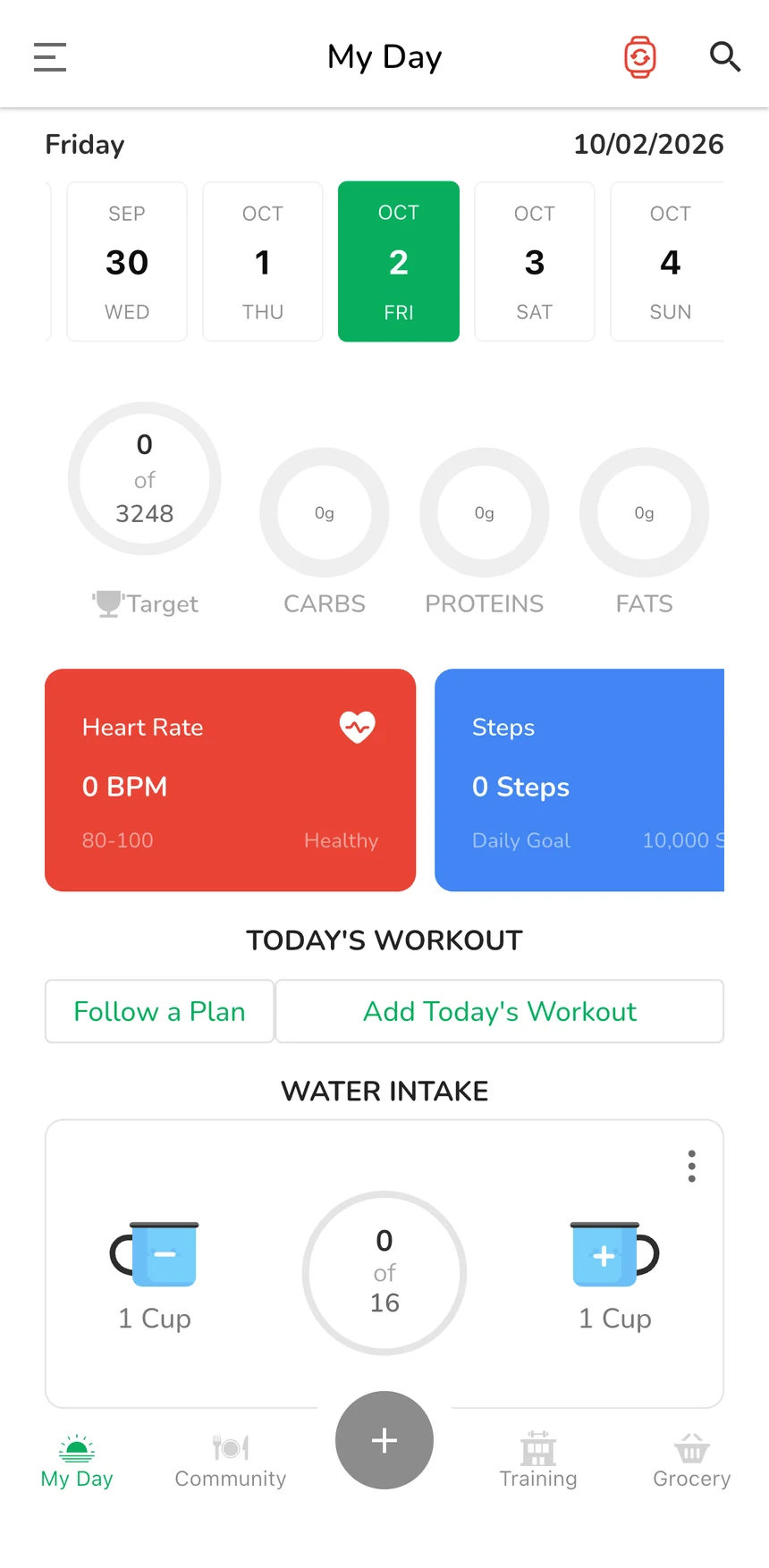
Affili-Fit gives every employee meal plans, workouts, grocery lists and local rewards in one app, starting at $0.10 per employee per day. Rewards come from local partner businesses, so there's no gift-card budget to fund. For a quote based on your headcount, see the Affili-Fit corporate wellness program or email wellness@affilifit.com.
Common questions
How much does a wellness program cost per employee?
Vendor price lists range from about $150 to $1,200 per employee per year, depending on what is included. App-only programs sit at the low end; onsite screenings, coaching and cash incentives push it up.
How much should a company budget for wellness incentives?
There is no standard figure. For health-contingent programs, federal rules cap the reward at 30% of the total cost of coverage (50% when tobacco is included). Participation-only programs have no federal cap.
Are wellness program rewards taxable?
Cash and gift cards are taxable wages, according to IRS Chief Counsel Advice 201622031. Small items such as a t-shirt can be excluded. Ask your payroll provider how to report them.
Do wellness programs save money?
The evidence is mixed. A 2010 meta-analysis found savings, but two large randomized trials published in 2019 found no significant change in medical spending or absenteeism within 18 to 24 months.