Health and Fitness Affiliate Programs Worth Joining (Rates Checked November 2026)
The health and fitness affiliate programs with the clearest published terms are Onnit (15%, 45-day cookie), Nike (up to 15%, 7 days), Myprotein (up to 8%, 30 days), Titan Fitness (5%, 30 days), iHerb (5% default, 7 days) and Amazon Associates (1% to 4% for most fitness categories). Several big brands either keep their rates inside the dashboard or don't run an open program at all.
Every rate below was read on the program's own page in November 2026. Where a program doesn't publish a number, the table says so. Affiliate terms change often, so check the page again before you sign up.
The programs at a glance
| Program | What you'd promote | Commission | Cookie window | Network | Notes |
|---|---|---|---|---|---|
| Onnit | Supplements, kettlebells, training gear | 15%, plus a $10 bounty on trial sign-ups | 45 days | Impact | Highest flat rate in this list |
| Nike (US) | Shoes, apparel | Up to 15% on valid US sales | 7 days | CJ | Rate varies by partner |
| Myprotein (US) | Protein, supplements, food | Up to 8% | 30 days | Not named on page | |
| Titan Fitness | Home gym equipment | 5% | 30 days | Impact | Big-ticket racks and benches |
| iHerb | Supplements, natural foods | 5% default; coupon sites from 1%; up to 25% for qualified content sites | 7 days, last click | Partnerize, Impact, CJ, Awin | Terms page explains the tiers |
| Amazon Associates | Almost anything | Sports 3%, Outdoors 3%, Health and Personal Care 1%, Grocery 1%, Shoes/Apparel 4%, All Other 4% | Not on the rate page | In-house | Low rates, very high conversion |
| Under Armour | Apparel, shoes | Not published | Not published | Awin | Paid monthly; returns reverse commission |
| AG1 | Greens powder | Not published (shown in the portal) | Not published | Superfiliate | Requires FTC disclosures and bans health claims |
A few others come up in every list but don't publish terms. Rogue Fitness has an affiliate page with rules (self-referrals are banned) and no public rate. Thorne's "affiliate" page is a dispensary account for practitioners, not a creator program. Garmin runs ambassador programs rather than an open affiliate program.
Brands you can't simply join
These show up on "best fitness affiliate programs" lists, which sends creators off to apply for programs that don't exist in that form:
- Peloton runs member referrals, and its referral codes aren't meant to be publicized.
- Gymshark has no application route; its team scouts creators.
- WHOOP offers refer-a-friend credit only.
- Oura's partner program is by invitation.
If you want to work with one of them, the route is usually an agency pitch or a sponsorship, not an affiliate sign-up.
How to choose programs your audience will actually buy from
The commission rate is the least important number in the table. A 15% rate on a product nobody in your audience needs earns nothing. Work through these in order.
- Fit. Would you recommend it with no link? Your audience can tell, and the FTC rules below assume you're giving an honest opinion.
- Order value. Five percent of a $600 squat rack beats 15% of a $30 tub of pre-workout. Equipment programs (Titan, Rogue) pay less per cent but more per sale.
- Repeat purchases. Supplements and food reorder. Check whether the program pays on repeat orders or only the first one, and read the terms page for "new customer" rules.
- Cookie window. Seven days suits impulse buys. For expensive equipment that people research for weeks, a 30 or 45-day window counts for more.
- Where your audience shops. A lot of people already buy everything on Amazon, which is why its low rates still pay many creators more than a higher-rate brand.
- Payment terms. Look for the payout threshold, how often you're paid and how returns are handled. Under Armour, for example, reverses commission on returned items.
A practical mix for most fitness creators is one marketplace (Amazon), one or two brands you already use, and one program that serves your audience every day rather than once.
Programs that pay you for what you already teach
Coaches and trainers often do better with a program tied to their own method than with product links. A recipe, a training tip or a habit that worked for you is easier to share honestly than a discount code.
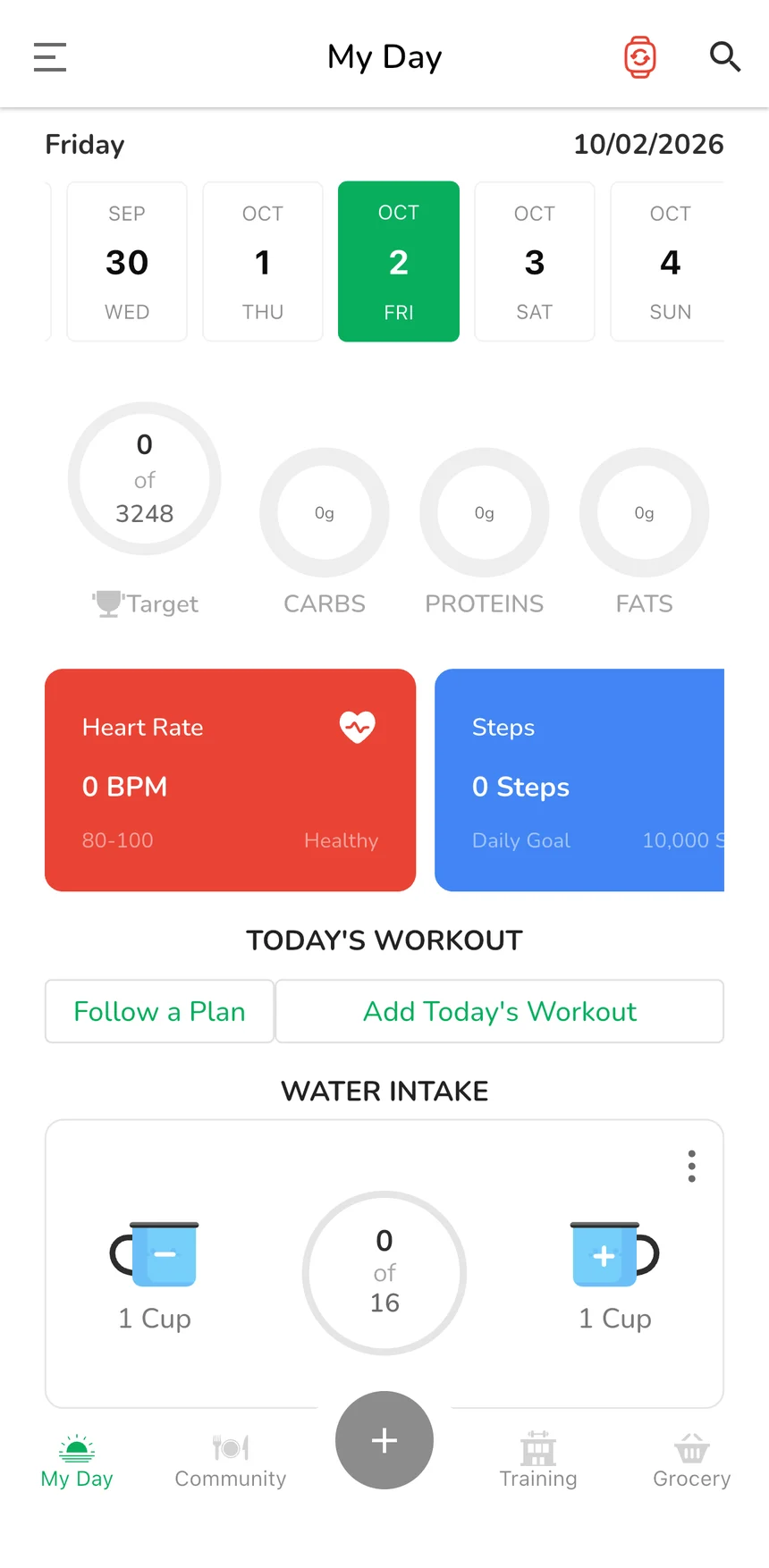
That's the idea behind the Affili-Fit affiliate program. Creators, coaches and athletes, and programs or organizations, share Affili-Fit with their audience, who get a personalized plan built around their food, goals, time and equipment. Partners get trackable links and offers, campaign concepts and launch assets, and options for volume or organization deals. Commission terms are shared on application rather than published, so ask for them before you commit, the same as you would with Under Armour or AG1.
The FTC disclosure rules, in plain terms
The FTC's Endorsement Guides (16 CFR Part 255, revised in 2023) require you to disclose any material connection to a brand "clearly and conspicuously". An affiliate commission counts. So does a free product.
What that means in practice, from the FTC's own guidance:
- Say it plainly. The FTC's example wording is "I get commissions for purchases made through links in this post." The words "affiliate link" alone, or a "buy now" button, may not be clear enough.
- Put it with the recommendation, not in your bio, not after a "more" link and not in a pile of hashtags at the end. The 2023 revision describes the standard as easy to notice, easy to read and close to the claim.
- In video, say it out loud and show it on screen. In a livestream, repeat it, because people join partway through.
- Use simple labels such as "ad" or "sponsored" on social posts.
- Don't make health claims you can't back up. AG1's affiliate terms, for one, ban them outright, and the FTC treats your claims about a product as if you were the advertiser.
The Disclosures 101 for Social Media Influencers page is a five-minute read and worth bookmarking.
Common mistakes
Joining twenty programs dilutes your recommendations; your audience can't tell which ones you actually use. Linking a brand you've never tried is how creators lose trust fastest. Copying "up to" rates from a list post into a pitch to your audience is a mistake too, since your actual rate may be lower. And forgetting that cookies expire means a "link in bio" posted once a month earns far less than links placed where people are deciding to buy.
If you're a coach or creator
If your audience asks you what to eat and how to train, Affili-Fit is built for that conversation: meal plans, grocery lists, workouts and local rewards in one app, on iOS, Android and the web. Tell the team who you serve and what you create through the Affili-Fit affiliate program, or write to partners@affilifit.com. Local businesses that want to reach the same people can look at the rewards partner program.
Common questions
Which fitness affiliate program pays the most?
Of the programs checked here, Onnit publishes the highest flat rate at 15% with a 45-day cookie. Nike advertises up to 15% but rates vary by partner. Higher percentages matter less than whether your audience buys the product.
What does Amazon pay for fitness products?
Amazon's published rates are 3% for Sports and Outdoors, 1% for Health and Personal Care, and 4% for shoes, apparel and the 'all other' category.
Do I have to disclose affiliate links on Instagram or TikTok?
Yes. The FTC's Endorsement Guides require a clear disclosure in the post itself, such as 'I get commissions for purchases made through links in this post'. A hashtag buried at the end or a note in your bio isn't enough.
Can I join fitness affiliate programs with a small following?
Many programs accept small creators, especially through networks like Impact or CJ, but some review your content first. A focused audience that trusts you tends to convert better than a large general one.
Keep reading
- Affili-Fit affiliate programFor creators, coaches and organizations who want to share Affili-Fit with their audience.
- Walking Challenge: A 4-Week Plan You Can Run Alone or at WorkA four-week walking challenge that starts from your own step count, uses targets from the step research, works for an office team, and keeps going after the last week.
- 7-Day High Protein Meal Plan (With Protein Totals for Every Day)Seven days of breakfasts, lunches, dinners and snacks with the protein added up for every meal, a target table by body weight, vegetarian swaps and a two-session prep plan.