Healthy Grocery List: What to Buy, Aisle by Aisle (Printable)
A healthy grocery list covers five groups: vegetables and fruit, protein foods, dairy, whole grains and a few pantry basics. The 2025–2030 Dietary Guidelines for Americans, released in January 2026, put numbers on it for a 2,000-calorie day: three servings of vegetables, two of fruit, three of dairy, two to four of whole grains, and protein at every meal. The list below is sorted the way most US stores are laid out, so you can shop it top to bottom.
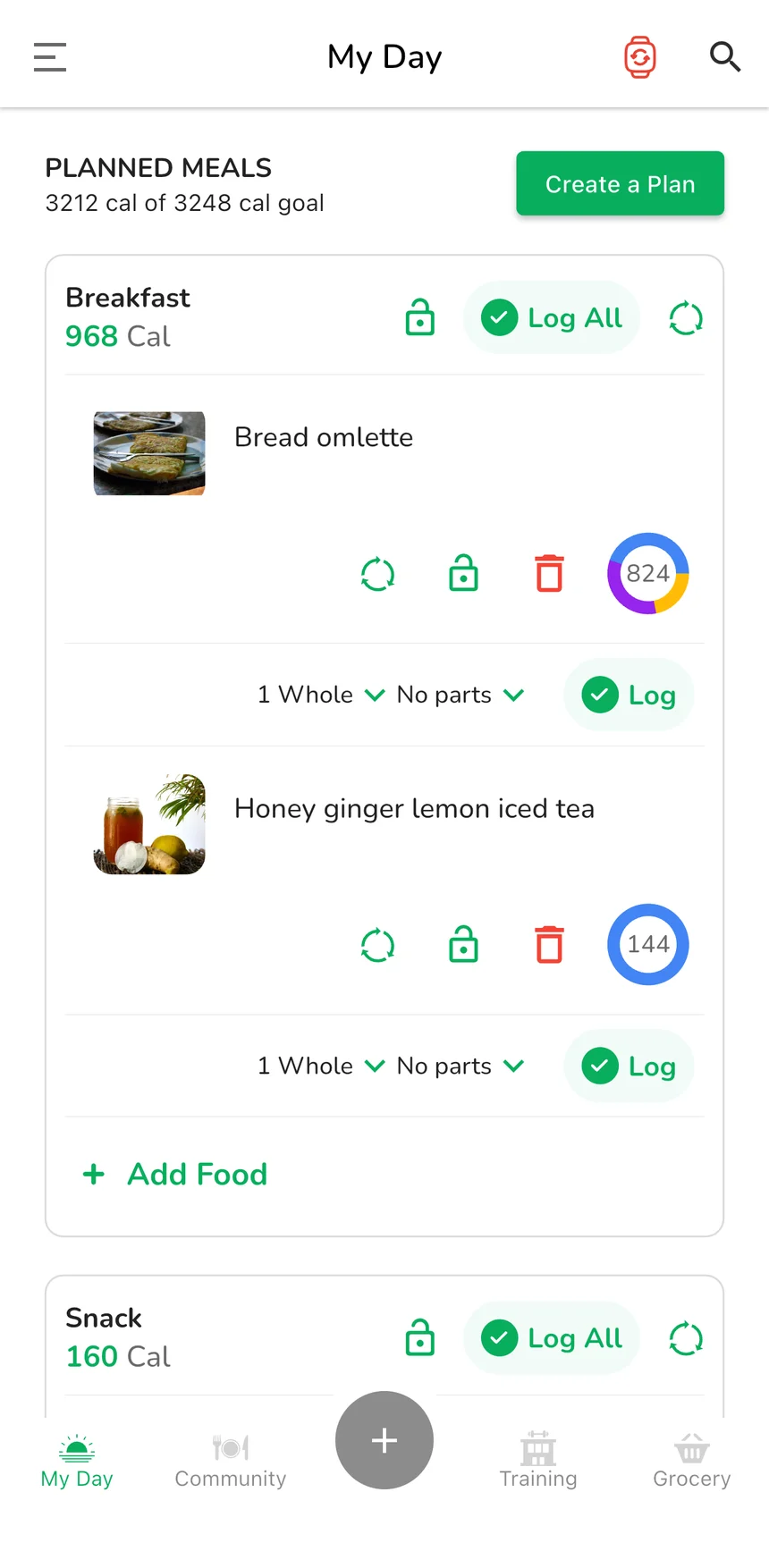
The best list starts from your meals for the week, though. A generic list is a fine starting point; the section near the end shows how to turn a meal plan into a list that wastes less.
Produce
Buy what you'll eat in the next five days fresh, and keep frozen backups for the rest of the week.
- Leafy greens: spinach, romaine, kale or a salad mix
- Vegetables that keep: carrots, cabbage, onions, sweet potatoes, broccoli
- Quick-cooking vegetables: zucchini, peppers, green beans, mushrooms
- Fruit that keeps: apples, oranges, pears
- Fruit to eat first: bananas, berries, grapes
- Fresh herbs, garlic, lemons or limes for flavor without extra salt
Fresh isn't automatically better. The Dietary Guidelines say frozen, dried or canned produce with little or no added sugar can also be good options, and SDSU Extension notes frozen or canned produce can cost about half as much as fresh out of season.
Protein foods
The 2025–2030 guidelines recommend 1.2 to 1.6 grams of protein per kilogram of body weight a day, from both animal and plant sources. Mix a few of each:
- Chicken breast or thighs, lean ground turkey
- Fish: salmon, canned tuna or salmon, frozen shrimp
- Eggs
- Canned or dry beans, lentils, chickpeas
- Firm tofu, tempeh, frozen edamame
- Unsalted nuts, peanut butter with no added sugar
For how much protein common foods give per serving, see the protein table in the high protein meal prep guide.
Dairy and alternatives
The guidelines call for three servings a day and now allow full-fat dairy, as long as it has no added sugar.
- Milk, or soy milk fortified with calcium and vitamin D
- Plain Greek yogurt or plain regular yogurt
- Cottage cheese
- Cheese for cooking and snacks
Flavored yogurts are where added sugar hides in this aisle. Buy plain and add fruit.
Grains and bread
Two to four servings of whole grains a day. Look for "whole" as the first ingredient.
- Oats (old-fashioned or steel-cut)
- Brown rice, quinoa, farro or barley
- Whole-wheat bread, tortillas or pita
- Whole-wheat pasta
Pantry and canned goods
These make the difference between "nothing to eat" and a 15-minute dinner.
- Canned tomatoes, tomato paste
- Canned beans and lentils (no-salt-added, or rinse them)
- Canned fish
- Low-sodium broth
- Olive oil or canola oil, vinegar
- Spices: garlic powder, cumin, paprika, chili powder, Italian seasoning, black pepper
- Salsa, mustard, soy sauce (low sodium)
Frozen
- Plain frozen vegetables (broccoli, spinach, mixed vegetables, stir-fry blends)
- Frozen fruit with no added sugar, for oatmeal and smoothies
- Frozen fish fillets or shrimp
- Frozen edamame
Drinks
Water, unsweetened tea or coffee, and milk. The guidelines advise avoiding sugar-sweetened beverages.
How to read the label in 30 seconds
You don't need to read every line. The FDA's own rule of thumb is that 5% Daily Value or less per serving is low and 20% or more is high. Use it on three lines:
| Label line | What to look for | Why |
|---|---|---|
| Sodium | 5% DV or less on most items | The guidelines set a limit under 2,300 mg a day for ages 14 and up |
| Added sugars | As low as possible; the guidelines suggest no more than 10 g in one meal | Added sugars are listed inside Total Sugars, with a DV of 50 g |
| Saturated fat | Lower is better | The guidelines keep it to no more than 10% of calories |
Then check the ingredient list. The 2025–2030 guidelines advise avoiding highly processed foods, and a long list of ingredients you wouldn't cook with at home is a decent sign of one.
Healthy grocery shopping on a budget
USDA's food plans show what a healthy diet costs at four price levels. In September 2026, the Thrifty Food Plan (the lowest-cost plan) was $1,024 a month, or $236.30 a week, for a family of four with two adults and two children aged 6 to 11. The moderate-cost plan for the same family came to about $1,389 a month. For one woman aged 20 to 50, the thrifty plan was $253.90 a month before USDA's adjustment for single-person households.
Ways to land closer to the thrifty number:
- Plan the week's meals before you write the list, and shop your pantry and freezer first.
- Build several meals around cheap proteins: eggs, beans, lentils, canned tuna, tofu.
- Buy frozen vegetables and fruit for the second half of the week.
- Choose store brands for staples such as oats, rice, canned goods and frozen vegetables.
- Compare unit prices, the price per ounce on the shelf tag. NDSU Extension points out that the bigger package isn't always cheaper per ounce, and unit price says nothing about nutrition, so compare like with like.
- Cook once, eat twice: a pot of chili or a tray of roasted chicken covers two or three meals.
Build the list from your meal plan
A generic list leads to a fridge full of good intentions. Working from meals cuts waste:
- Pick four or five dinners and two or three lunches for the week, reusing ingredients across them (the same chicken in a bowl and a wrap, the same peppers in a stir-fry and an omelet).
- Write down every ingredient with the amount.
- Cross off what you already have.
- Group what's left by store section, using the sections above.
- Add breakfast and snack staples.
That's the process Affili-Fit automates. The app builds a weekly meal plan from your goals, allergies, food preferences and schedule, then turns it into an organized grocery list. See how the meal planner with grocery list works.
Printable healthy grocery list
Copy or print this and cross out what you don't need.
Produce
- Leafy greens
- Carrots / cabbage / onions
- Broccoli / peppers / zucchini
- Sweet potatoes
- Apples / oranges
- Bananas / berries
- Garlic / lemons / herbs
Protein
- Chicken or turkey
- Fish or canned tuna/salmon
- Eggs
- Beans / lentils / chickpeas
- Tofu or edamame
- Nuts or peanut butter
Dairy
- Milk or fortified soy milk
- Plain yogurt
- Cottage cheese / cheese
Grains
- Oats
- Brown rice or quinoa
- Whole-wheat bread or tortillas
- Whole-wheat pasta
Pantry and frozen
- Canned tomatoes
- Low-sodium broth
- Olive oil, vinegar, spices
- Frozen vegetables
- Frozen fruit
If you'd rather not write the list by hand each week, Affili-Fit plans the meals and builds the grocery list from them, alongside workouts and daily goals that earn rewards from local businesses. It runs on iOS, Android and the web. Start with the Affili-Fit meal planner.
Common questions
What should be on a healthy grocery list?
Vegetables and fruit (fresh, frozen or canned without added sugar), protein foods from animal and plant sources, dairy or fortified alternatives, whole grains, and a few pantry basics such as olive oil, spices and canned beans.
How do I make a healthy grocery list on a budget?
Plan meals first, shop your pantry, buy frozen and canned produce, choose store brands, compare unit prices, and build meals around low-cost proteins such as eggs, beans, lentils and canned fish.
How much should a family of 4 spend on groceries a month?
USDA's Thrifty Food Plan put the cost at $1,024 a month for a family of four with two school-age children in September 2026. Its moderate-cost plan was about $1,389.
Are frozen vegetables as healthy as fresh?
The 2025–2030 Dietary Guidelines say frozen, dried or canned produce with little or no added sugar can also be good options. Choose no-salt-added canned vegetables and fruit packed in water or juice.
Keep reading
- Meal planner with grocery listA week of meals for your goals and preferences, turned into one grocery list.
- 7-Day High Protein Meal Plan (With Protein Totals for Every Day)Seven days of breakfasts, lunches, dinners and snacks with the protein added up for every meal, a target table by body weight, vegetarian swaps and a two-session prep plan.
- High Protein Meal Prep: A Week of Lunches and Dinners, Gram by GramHow much protein to aim for, what 12 common foods actually contain, five meals that clear 30 grams, and a prep schedule that keeps everything inside USDA storage times.