High Protein Meal Prep: A Week of Lunches and Dinners, Gram by Gram
High protein meal prep works best when you cook two or three proteins in bulk, build every container around 25 to 40 grams of protein, and prep twice a week instead of once so nothing sits in the fridge past day four. Most meal prep plans skip the second session, but USDA guidance says cooked leftovers keep three to four days, and a Sunday batch meant to last until Friday runs past that.
Below: how much protein to aim for, what common foods actually contain according to USDA data, five meals that clear 30 grams, and a schedule that keeps them safe.
How much protein do you actually need?
There are three numbers worth knowing, and they answer different questions.
| Guideline | Amount | Who it's for |
|---|---|---|
| RDA (National Academies) | 0.8 g per kg of body weight per day | The minimum to meet basic needs for most healthy adults |
| Dietary Guidelines for Americans 2025–2030 | 1.2 to 1.6 g per kg per day, with protein at every meal | The current federal recommendation for adults |
| ISSN position stand | 1.4 to 2.0 g per kg per day | People who exercise regularly |
For a 154 lb (70 kg) adult, that's 56 grams a day at the RDA, 84 to 112 grams under the current Dietary Guidelines, and 98 to 140 grams at the ISSN range for active people.
Per meal, the ISSN suggests 20 to 40 grams, or roughly 0.25 g per kg, spread every three to four hours. In practice that means three meals of around 30 grams plus a snack covers most active adults. If you have kidney disease or another medical condition, check with your doctor or a registered dietitian before raising your protein intake.
Protein in common meal prep foods
These figures come from USDA FoodData Central. They are for the cooked or ready-to-eat food, which is what ends up in the container.
| Food | Serving | Protein |
|---|---|---|
| Chicken breast, roasted | 3 oz | 26.4 g |
| Ground turkey 93/7, cooked | 3 oz | 23.0 g |
| Cottage cheese, 2% | 1 cup | 23.6 g |
| Salmon, sockeye, cooked | 3 oz | 22.5 g |
| Firm tofu | ½ cup | 21.8 g |
| Shrimp, cooked | 3 oz | 20.4 g |
| Edamame, prepared | 1 cup | 18.5 g |
| Lentils, boiled | 1 cup | 17.9 g |
| Greek yogurt, plain nonfat | 170 g container | 17.3 g |
| Tuna, light, canned in water | 3 oz drained | 16.5 g |
| Black beans, boiled | 1 cup | 15.2 g |
| Egg | 1 large | 6.3 g |
Beans and lentils give real protein but need a cup to reach 15 to 18 grams, so pair them with a second source. And eggs alone are a slow way to 30 grams: you'd need five.
Five high protein meal prep meals
Each meal pairs a main protein with a second source so it clears 30 grams. The totals count only the protein ingredients from the table above; rice, tortillas and vegetables add a few grams more.
| Meal | Protein ingredients | Protein (approx.) | Keeps best |
|---|---|---|---|
| Chicken burrito bowl | 3 oz chicken breast + ½ cup black beans | 34 g | Fridge, 3 to 4 days |
| Turkey and bean chili | 3 oz 93/7 turkey + ½ cup black beans | 31 g | Fridge or freezer |
| Tofu and edamame stir-fry | ½ cup firm tofu + ½ cup edamame | 31 g | Fridge, 3 to 4 days |
| Salmon and lentil salad | 3 oz sockeye salmon + ½ cup lentils | 31 g | Fridge, eat first |
| Yogurt and cottage cheese breakfast pot | 170 g Greek yogurt + ½ cup 2% cottage cheese | 29 g | Fridge, assemble daily |
How to put them together:
Chicken burrito bowl. Season and roast chicken breasts at once, slice, and portion over rice with beans, salsa and roasted peppers. Keep sour cream or avocado separate and add on the day.
Turkey and bean chili. Brown the turkey, add onion, canned tomatoes, beans and chili spices, and simmer 30 minutes. Chili freezes and reheats better than almost anything else, which makes it the natural meal for days four and five.
Tofu and edamame stir-fry. Press the tofu, cube it, and bake or pan-fry until the edges brown. Stir-fry with frozen edamame and vegetables, then add a soy-ginger sauce. Rice or noodles go in a separate section of the container so they don't turn soggy.
Salmon and lentil salad. Bake salmon fillets, flake them over cooked lentils with cucumber, herbs and a lemon dressing kept on the side. Fish holds up worst in the fridge, so eat this one early in the week.
Breakfast pot. Mix Greek yogurt and cottage cheese, top with fruit. Mix the base for the week if you like, but add fruit and granola the morning you eat it.
A prep schedule that stays inside the safe window
Because USDA puts the fridge limit for cooked leftovers at three to four days, split the week into two short sessions.
| Session | What to cook | Eat on |
|---|---|---|
| Sunday (about 90 min) | Chicken, salmon, a pot of rice, roasted vegetables, chili (double batch) | Mon to Wed; freeze half the chili |
| Wednesday (about 45 min) | Tofu stir-fry, a second batch of chicken or shrimp, lentils | Thu to Sat; reheat frozen chili for one meal |
Shrimp is the fastest protein in this plan, three or four minutes in a pan, so it suits the shorter midweek session.
Storing, freezing and reheating
The USDA Food Safety and Inspection Service rules are short and worth following exactly:
- Refrigerate cooked food within two hours, or within one hour if it's above 90°F. Bacteria grow fastest between 40°F and 140°F.
- Split big batches into shallow containers so they cool quickly. A deep pot of chili stays warm in the middle for hours.
- Keep the fridge at 40°F or below. Eat refrigerated leftovers within three to four days.
- Frozen food stays safe indefinitely, but quality drops. Aim to eat frozen meals within three to four months.
- Reheat to 165°F, checked with a food thermometer. Bring soups and sauces to a rolling boil. Frozen meals can be reheated without thawing first.
Label each container with the day it was cooked. It takes five seconds and removes the guessing on day four.
Turning the plan into a grocery list
For five lunches and five dinners for one person from the meals above, you're buying roughly: 1½ lb chicken breast, 1 lb ground turkey, two salmon fillets, a 14 oz block of firm tofu, a bag of frozen edamame, two cans of black beans, dry lentils, a large tub of Greek yogurt, a tub of cottage cheese, rice, onions, peppers, canned tomatoes, salsa, cucumbers and fruit. Check what you already have before you go; most kitchens have rice and spices.
For a full list sorted by store section, see the healthy grocery list guide.
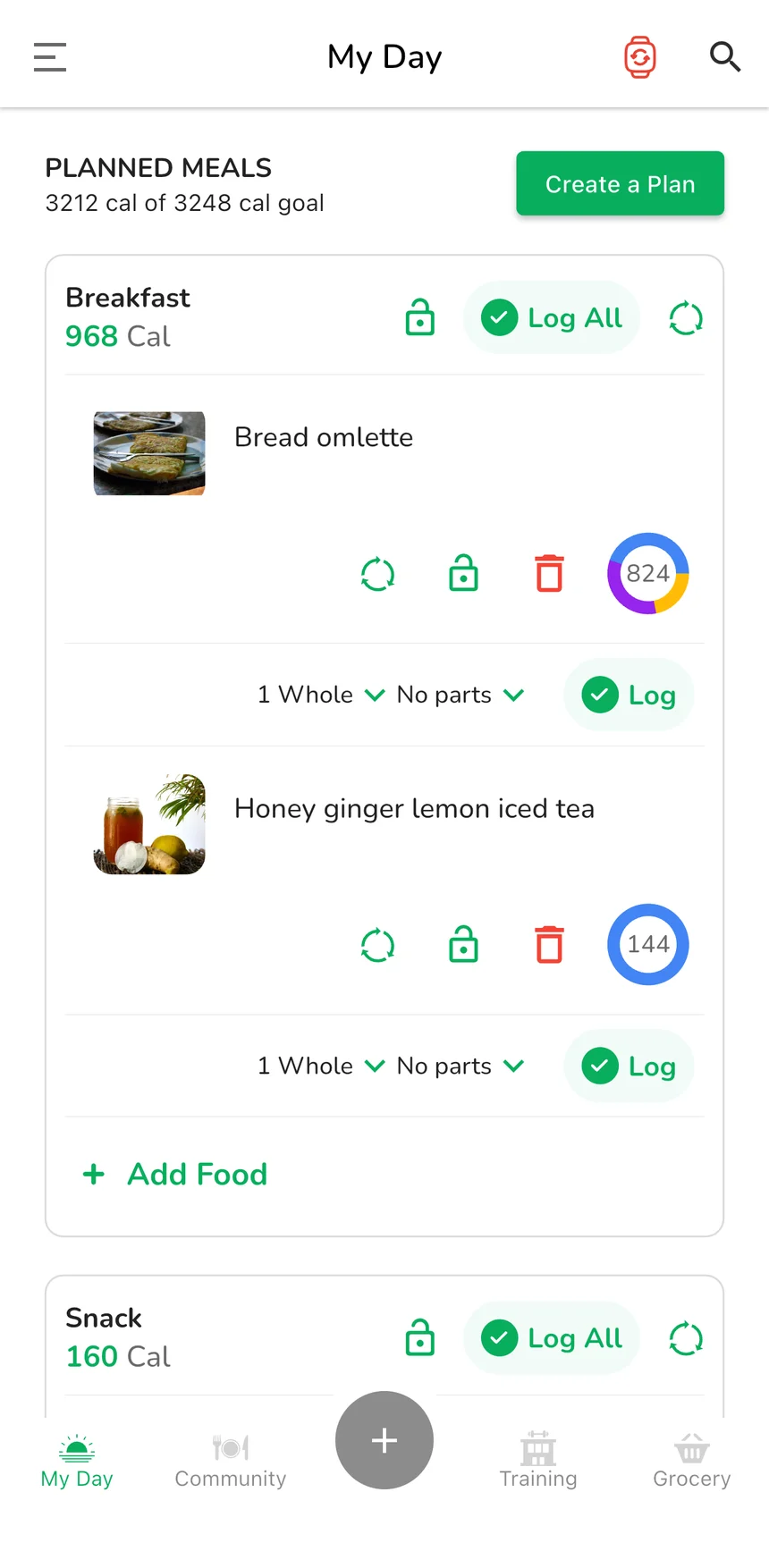
Affili-Fit builds weekly meal plans around your goals, allergies, food preferences and schedule, including high-protein plans, and turns the plan into an organized grocery list so you don't have to add up the quantities yourself. Workouts and daily goals sit in the same app. Start with the Affili-Fit meal planner, or see how the meal planner with grocery list works.
Common questions
How much protein should be in each meal?
The International Society of Sports Nutrition suggests 20 to 40 grams per meal for people who exercise, or about 0.25 g per kilogram of body weight, spread every three to four hours.
How long does meal prep last in the fridge?
USDA guidance is three to four days for cooked leftovers kept at 40°F or below. Freeze anything you plan to eat after day three or four.
Can you freeze meal prep?
Yes. Frozen food stays safe indefinitely, and USDA suggests eating frozen leftovers within three to four months for best quality. Reheat to 165°F.
What are cheap high protein foods?
Canned tuna, lentils, black beans, cottage cheese, tofu and frozen edamame all give 15 grams or more of protein per typical serving, and most are shelf-stable or freeze well.
Keep reading
- Meal planner with grocery listA week of meals for your goals and preferences, turned into one grocery list.
- How to Start a Corporate Wellness Program: A 7-Step Plan for HRA practical plan for the HR lead starting a wellness program from nothing: sign-off, a committee, a needs survey, a budget, the legal checks, a pilot and a way to measure it.
- How Much Do Corporate Wellness Programs Cost Per Employee?Vendor price lists put corporate wellness at $150 to $1,200 per employee a year. Here is what moves that number, what incentives and taxes add, and how to compare quotes by cost per participant.