How to Start a Corporate Wellness Program: A 7-Step Plan for HR
To start a corporate wellness program, get a leader to sponsor it, form a small committee, ask employees what they need, set a budget, check the legal rules on incentives, run a short pilot and measure what people actually use. That sequence follows the CDC's Workplace Health Model, which breaks the work into four stages: assessment, planning, implementation and evaluation.
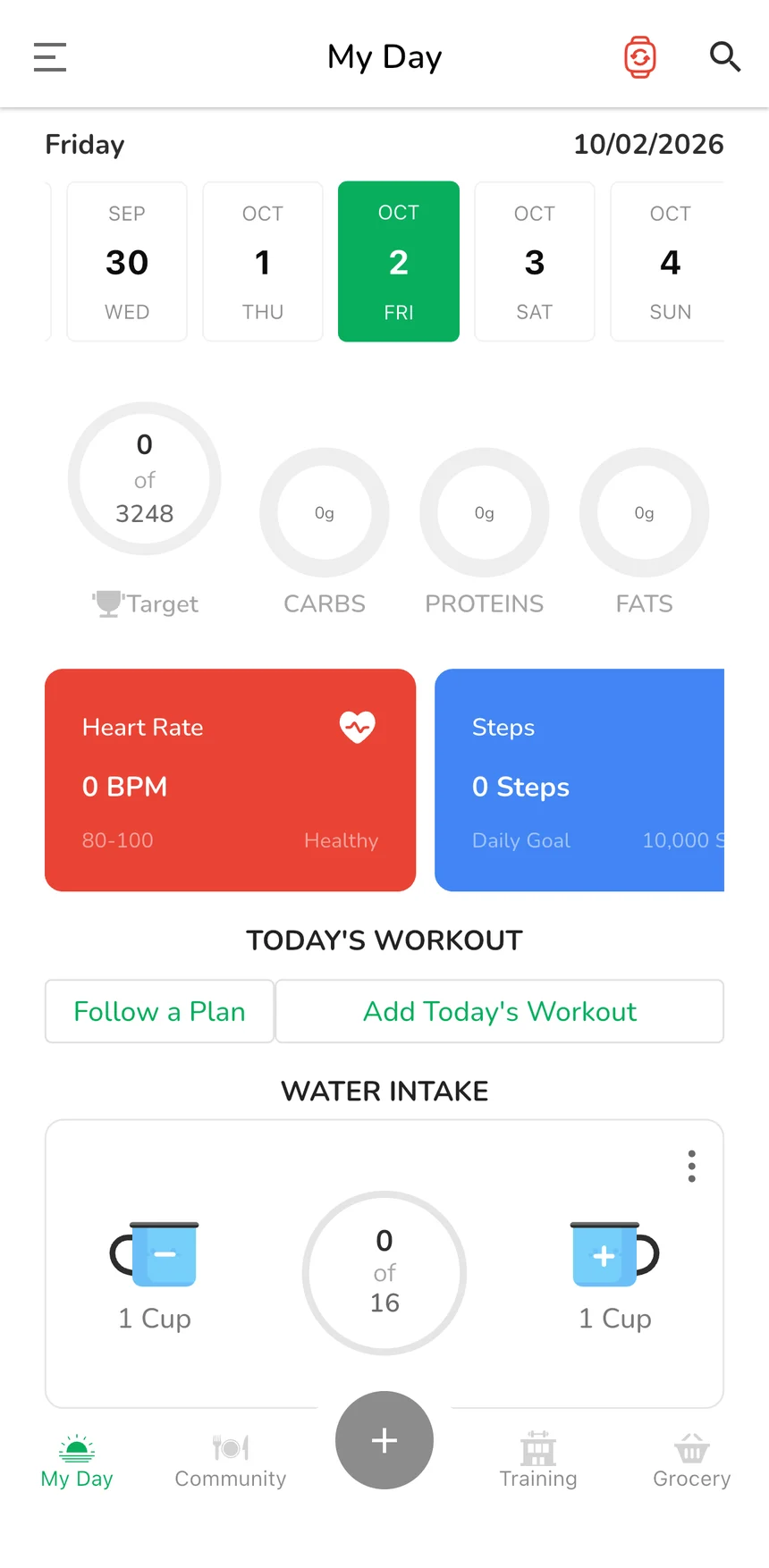
The steps below are written for the HR lead at a small or mid-sized US employer who has been handed "wellness" and no playbook. Most of it costs nothing but time.
Step 1: Get a sponsor and a clear reason
Programs without a senior sponsor stall at the first budget question. Before you plan anything, agree with one leader on why the company is doing this. Common reasons are retention, a benefit employees have asked for, rising health plan costs, or a culture problem such as burnout on one team.
Write the reason down in a sentence, because it decides what you measure later. "Give people a benefit they use every week" is measurable. "Improve wellness" isn't.
Set expectations on money at the same time. Two large randomized trials published in 2019 (the BJ's Wholesale trial in JAMA and the Illinois Workplace Wellness Study) found more healthy habits reported but no significant drop in medical spending or absenteeism within 18 to 24 months. Pitch the program as a benefit and a habit builder. A pitch built on fast health-cost savings will look like a failure at the first review.
Step 2: Form a wellness committee
The CDC's guidance is to "identify a coordinator, council, or committee to oversee the program." For a company of 30 people that may be one coordinator and two volunteers. For a few hundred, aim for six to twelve people from different departments and shifts, which is the range EMC Insurance's loss-control guide suggests, and rotate members every year or so.
There's evidence this matters. A study of 23 small businesses published in the American Journal of Health Promotion (Brown et al., 2020) found sites with wellness committees scored 27 points higher on evidence-based workplace health practices at 15 months and 36 points higher at 24 months.
A useful mix:
- one manager who can approve time off the floor
- someone from each shift or location, including remote staff
- at least two people who aren't already the office runners
- whoever handles benefits or payroll, for the incentive and tax questions
Give the committee a budget limit and a decision it owns, such as choosing the pilot activities. A committee with no authority stops meeting.
Step 3: Find out what people need
Skip the guessing. The CDC's assessment stage looks at three levels: individual employees, the work environment and the organization's policies. A short anonymous survey covers most of it. Keep it to ten questions or fewer so people finish it:
- Which of these would you use: help with meals and groceries, workouts, stress and sleep, money, social events?
- When could you realistically take part: before work, lunch, after work, on your own time?
- Do you work on site, remote or both?
- What gets in the way of eating well at work? (no time, no options nearby, cost)
- What gets in the way of being active? (time, energy, childcare, no space)
- Would you rather do things alone, with a team, or both?
- What reward would actually motivate you?
- Is there anything about your job (shifts, travel, desk time) we should plan around?
Also look at what you already have: the health plan's own wellness perks, any employee assistance program (EAP), break policies, what's in the vending machine. The CDC's free Worksite Health ScoreCard, a checklist of yes/no questions, is a good way to audit policies and environment in an hour.
Step 4: Pick a few things and do them well
The CDC advises a small number of strategies done well over a long list done badly, with low-cost options for smaller firms. Match the choice to your survey. If most people said "meals and groceries" and "on my own time", a lunchtime yoga class won't move much.
A starting set for a first year usually has one everyday tool, one shared activity each quarter and one policy change. For example:
| Need from the survey | Everyday tool | Shared activity | Policy that supports it |
|---|---|---|---|
| Eating better, no time | Meal planning app with grocery lists | Healthy potluck or recipe swap | Healthier options in meetings and vending |
| More movement | Workout plans or step tracking | Four-week walking challenge | Walking meetings, flexible lunch |
| Stress and sleep | EAP or a meditation benefit | Lunch and learn on sleep | No-email hours |
| Connection | Team channel for wins | Volunteer day | Time allowed during work hours |
For more options, see the employee wellness program ideas page. Write the choices into a one-page plan with an owner, a date and a measure for each.
Step 5: Set the budget and check the rules
Price the plan in three parts: the tools or vendor, the incentives, and staff time. The guide to corporate wellness program costs covers vendor price ranges and how to compare quotes.
Then check the rules before you promise any reward. This is the step most how-to guides skip.
Under the 2013 HIPAA and ACA wellness regulations, programs tied to a group health plan come in two kinds. Participatory programs reward people for taking part (attending, completing a survey) and have no federal cap on the reward. Health-contingent programs reward people for meeting a health standard, such as a BMI or a step target. Those rewards are capped at 30% of the total cost of coverage (50% for tobacco programs), and you must offer a reasonable alternative to anyone who can't meet the standard for medical reasons.
Anything that asks medical questions or collects biometric data also raises ADA and GINA issues. The EEOC's incentive limits for those laws were removed in 2019 and haven't been replaced, so the safe limit is unclear. Ask benefits counsel before you tie money to health data.
Taxes matter too. The IRS position in Chief Counsel Advice 201622031 is that cash and gift-card rewards are taxable wages at any amount. Tell employees before the first payout.
For context, KFF's 2025 survey found 46% of large firms and 23% of small firms with a wellness program offer an incentive to take part, so you're not obliged to pay people at all. Many programs start with participation rewards or non-cash rewards and add more later.
Step 6: Launch with a pilot
The CDC's program checklist suggests a small-scale pilot test before a full rollout. Six to eight weeks is long enough to see who keeps going.
- Pick one department or location, or open it to volunteers.
- Launch in person if you can: a 15-minute demo at a team meeting beats an email.
- Make the first action tiny: download the app, join a team, sign up for one walk.
- Have managers take part visibly. People follow what their manager does, not what the email says.
- Send a short reminder each week with one result ("Team B walked 400 miles") and one thing to try next.
At the end, ask the pilot group three questions: what did you use, what would you drop, and would you tell a colleague to join?
Step 7: Measure what you set out to change
Plan the evaluation during planning, as the CDC checklist puts it, so you collect the right numbers from day one. Measure against the reason you wrote down in step 1.
| What to track | How | When |
|---|---|---|
| Participation | Sign-ups, and people active in the last 30 days | Monthly |
| Repeat use | Share of participants still active after 8 and 26 weeks | At 8 and 26 weeks |
| Satisfaction | Two-question pulse survey | End of pilot, then twice a year |
| Behavior | Self-reported habits (meals planned, active days per week) | Start and end of year |
| Business goal | Retention, benefit survey scores, sick days if you track them | Yearly |
Expect habit and satisfaction numbers to move first. If participation drops after the launch month, change the activity or the reward before you add more programs. Then repeat the cycle each year: survey, plan, run, measure.
Common mistakes to avoid
Launching ten things at once is the most common one. People pick none. Running everything at 7 a.m. at headquarters is another: shift workers and remote staff notice who the program was built for. Tying rewards to weight or lab results without legal review is the most expensive mistake on this list. And dropping the program quietly after the first quarter teaches employees not to bother next time.
Affili-Fit can cover the everyday-tool part of this plan in one app: each employee gets meal plans, a grocery list, workouts and daily goals that earn rewards from local businesses, and the content can be tailored to your workforce. Pricing starts at $0.10 per employee per day. See how setup works on the corporate wellness program page, or read how a workday looks with Affili-Fit employee wellness.
Common questions
How do I start a wellness program for a small business?
Name one coordinator, ask employees what they want in a short survey, pick two or three low-cost activities, run them as a 6 to 8 week pilot, and keep what people use. The CDC suggests a few strategies done well over many done badly.
Who should be on a wellness committee?
Six to twelve people from different departments and shifts, including at least one manager and some employees who aren't already fitness fans. Rotate members so it doesn't become the same few voices.
What should a wellness program include?
Whatever your survey says people need. Most programs mix nutrition, physical activity, stress or sleep, and something social, plus the policies that make them possible, such as time to take part.
Are there legal rules for workplace wellness programs?
Yes. Programs tied to a group health plan follow HIPAA and ACA wellness rules, including a cap on rewards tied to health outcomes, and programs that ask medical questions raise ADA and GINA issues. Talk to benefits counsel before you set incentives.
Keep reading
- Corporate wellness programWhat Affili-Fit costs for your team, from $0.10 per employee per day, and how setup works.
- How Much Do Corporate Wellness Programs Cost Per Employee?Vendor price lists put corporate wellness at $150 to $1,200 per employee a year. Here is what moves that number, what incentives and taxes add, and how to compare quotes by cost per participant.
- High Protein Meal Prep: A Week of Lunches and Dinners, Gram by GramHow much protein to aim for, what 12 common foods actually contain, five meals that clear 30 grams, and a prep schedule that keeps everything inside USDA storage times.